Wide-ranging options, the flexibility to create a course of study that reflects your interests and career goals, meaningful hands-on learning, community engagement, active student groups, access to unparalleled research opportunities, and a focus on individualized advising are among the hallmarks of computer science education at Johns Hopkins University.
To accommodate our students’ diverse interests, we offer varied degree options including a popular minor in computer science. No matter which path you choose, you’ll graduate with the knowledge, practical experience, connections, and understanding of the discipline’s central role in addressing today’s grand challenges that you need to lead, succeed, and make an impact on the world.
Undergraduate Education
Undergraduate Degree Options
Our BS program is the primary degree sought by students who desire a technical course of study to prepare for a career in the discipline. Students who entered JHU prior to 2025 could choose to pursue a BA program to combine their interest in computer science with a non-engineering discipline. We also have many students from across the Homewood campus who double-major in computer science.

Computer Science Minor
A computer science minor provides students with foundational knowledge in the field that can be applied to other engineering disciplines as well as studies in non-engineering subjects.

Combined Bachelor's/Master's Degree Program
The combined program enables undergraduates to apply for and begin taking courses towards their master’s degree before completing their bachelor degree. Most students apply for the program in their junior year and finish both degrees within five years.
For Current Students
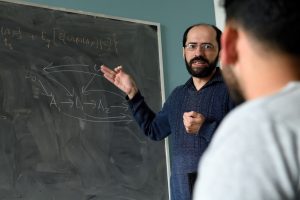
Policies, resources, forms, course information, FAQs, and services for undergraduate students.
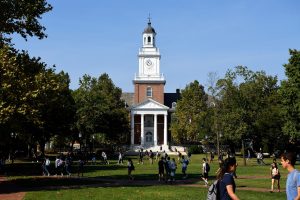
“I chose to major in computer science because of how dynamic and robust the field is. Computer science always felt like this rapidly changing field of study and I just wanted to be a part of that. ”
 Aubin Lohier
BS ‘21
Aubin Lohier
BS ‘21
Become a Hopkins Engineer
Learn about the admissions process and start your application today.
Get to Know Us
-
From classroom to crisis
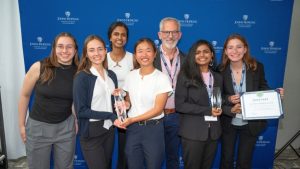
Computer science teams tackle critical gaps in EMS training and mass casualty response with innovative digital platforms.

-
HopHacks 2025 = Ambition + AI
Johns Hopkins’ annual coding marathon brought college students from across the country together to create a record number of software projects in just 36 hours.

-
An undergrad’s path to publishing
Alessa Carbo’s AI-powered translation of sign language videos earned her first authorship at a major natural language processing conference.

-
Wiser counsel for public defenders
An AI-powered digital discovery tool could help public defenders manage overwhelming caseloads.